Real Hope
Foreclosure help within about 30 miles of Fredericksburg
Behind on your mortgage? You still have time, and you have choices.
Plain-language help for Fredericksburg-area homeowners facing foreclosure: your deadlines, your options, free local programs, and tools to act today.
Prefer to talk? Call Real Hope at 540-698-5551

Talk to us
The sooner you reach out, the more options you have
Call, text or email. We return calls and emails within one business day. If we're not the right fit, we'll point you to someone who is.
Homes we've helped
Real homes, real families, right here in our area
These are actual Real Hope homes in the Fredericksburg area, photographed before and after.
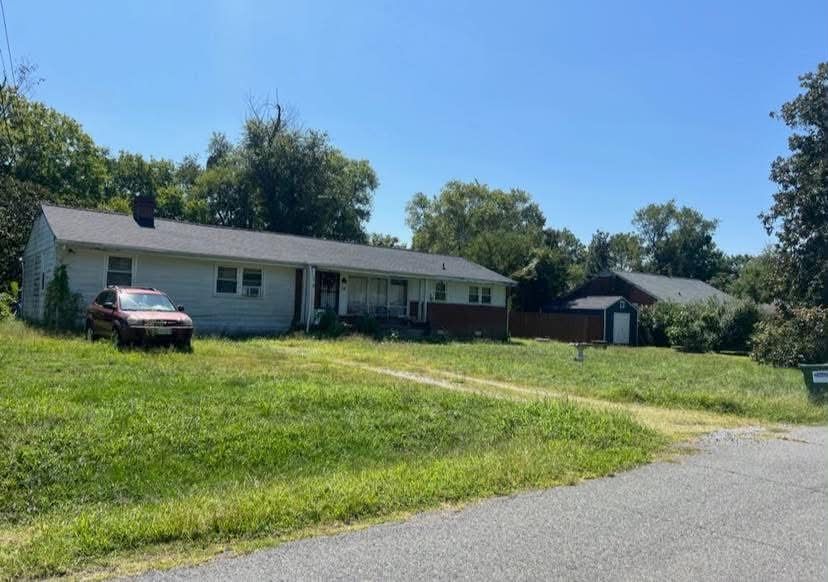
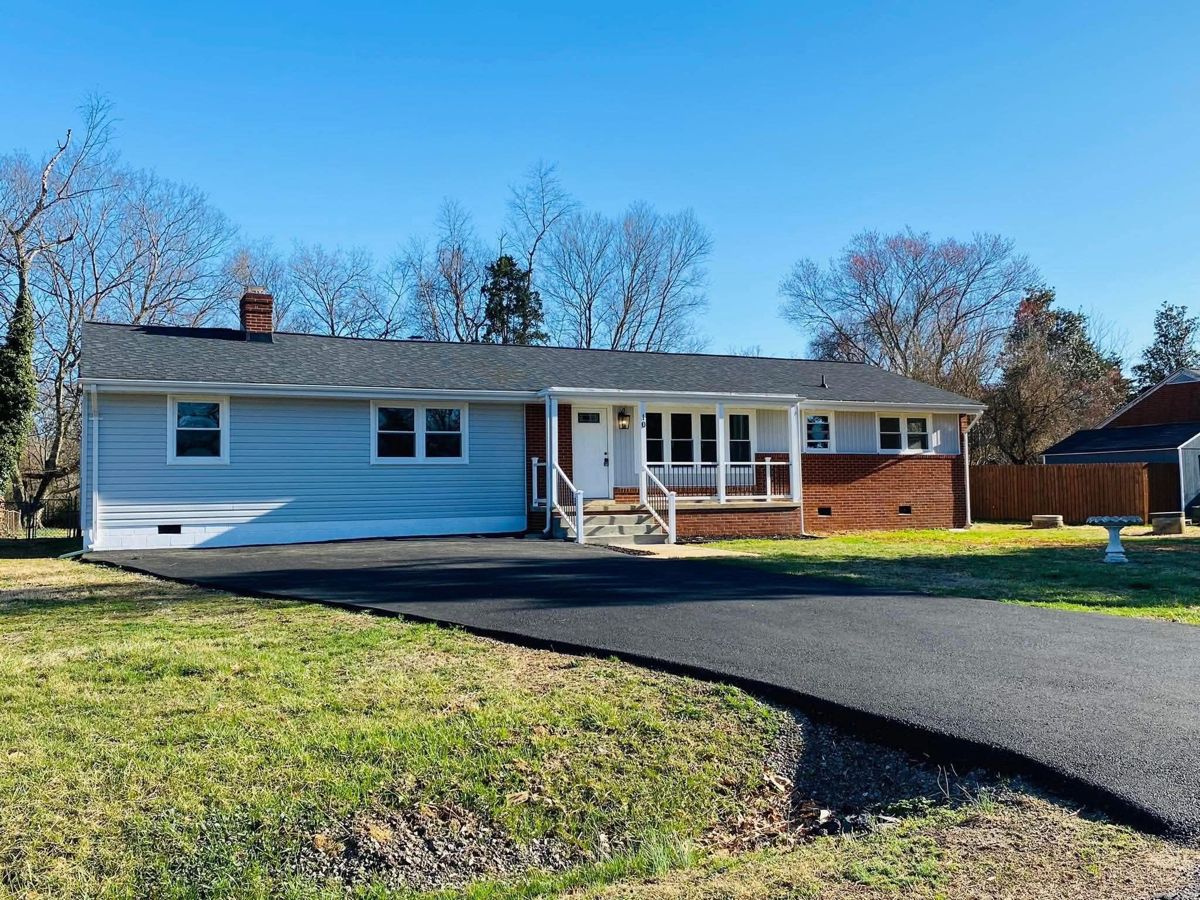
A long ranch, start to finish
Overgrown and worn before. Today it has new siding, a new roof, new windows, new porch railings and a paved driveway.
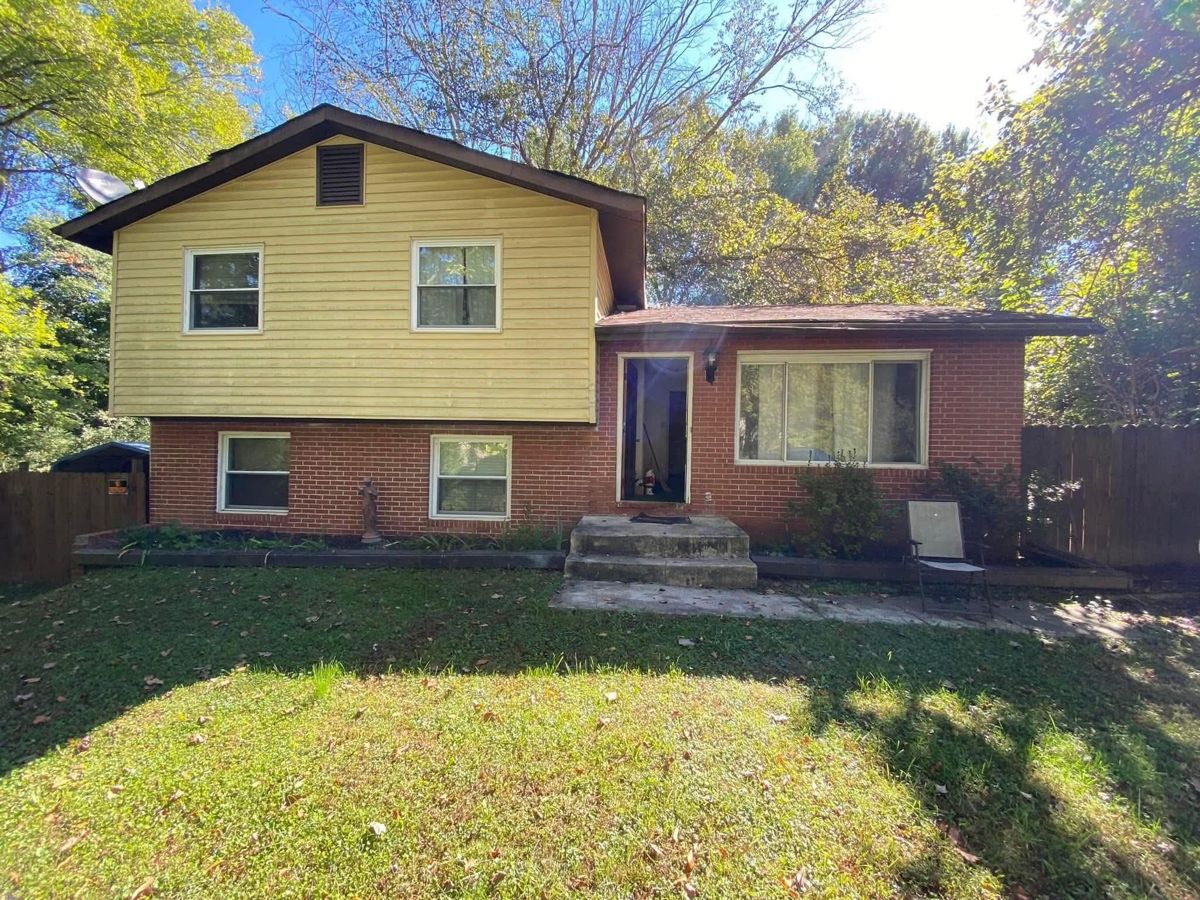
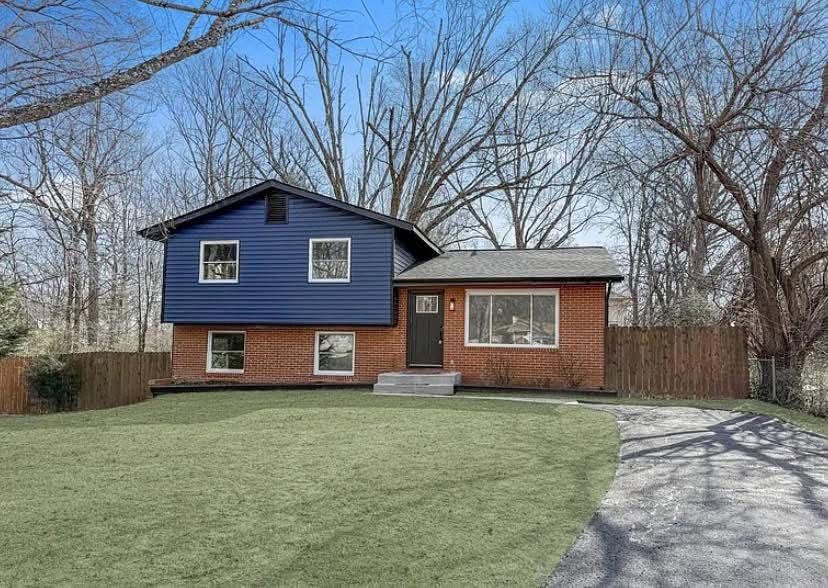
A split-level, refreshed
Faded siding and a tired front became new navy siding, a new front door and steps, and a fresh lawn.
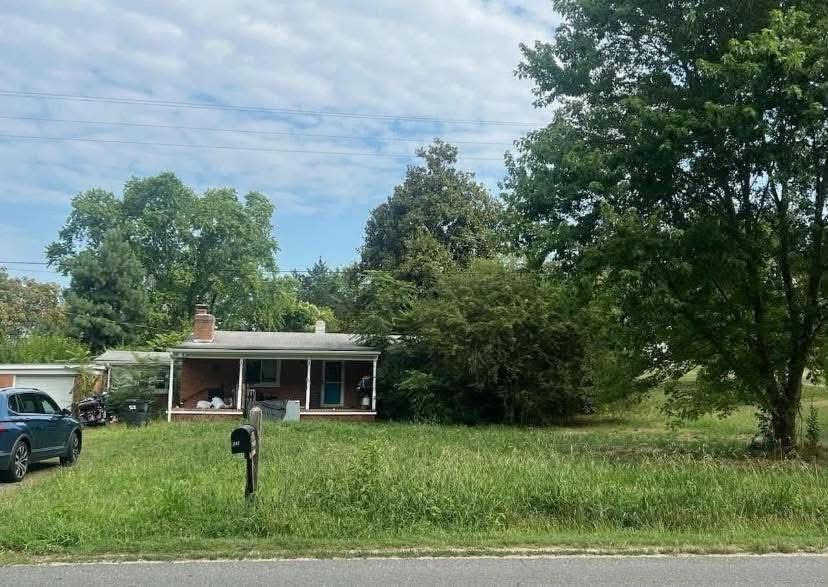
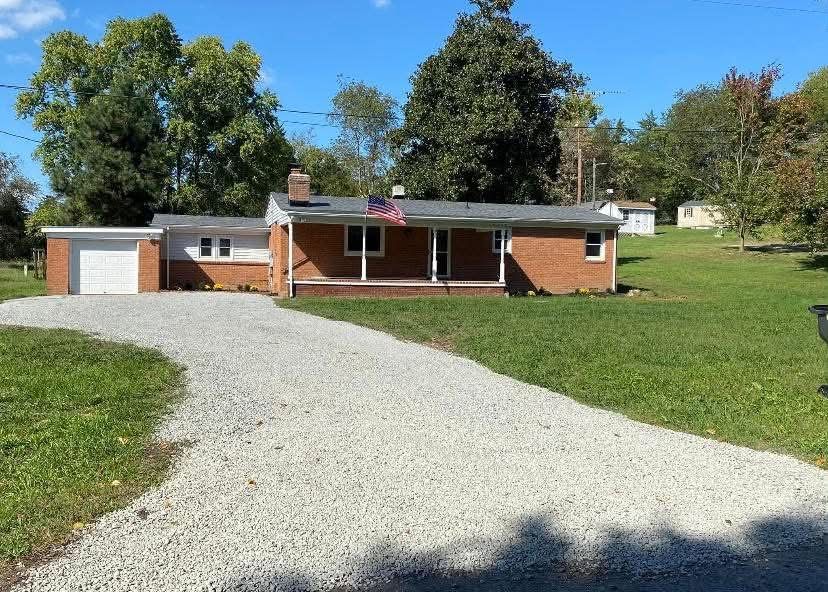
A brick ranch, uncovered
Hidden behind overgrowth, this brick ranch now has a cleared yard, a new gravel driveway and a fresh lawn.
How Real Hope works
Four simple steps, and you're in control the whole way
No pressure and no up-front fees. Virginia law doesn't allow anyone helping you avoid foreclosure to charge before the work is done.
Reach out
Call or text 540-698-5551, email us, or ask for a call back. Talking with us is free, and there's no obligation.
We look at your situation
We go over your deadlines, your loan and your goals. With your written permission, we can request your reinstatement and payoff figures for you.
You see every option in writing
We lay out all your choices, including free ones like a modification or a housing counselor. If buying your home or a sale-leaseback makes sense, we put our offer in writing with the numbers shown.
You decide
Take time to compare and have your own attorney review anything. If you go ahead with us, closing happens at a licensed Virginia title company or attorney, on a timeline that works around your sale date.
Start here
Where do you stand?
Answer four quick questions and get a short list of next steps. Your answers stay on your device. Prefer a list on paper? Print the one-page Facing Foreclosure Checklist.
How foreclosure works in Virginia
Most Virginia foreclosures move faster than people expect
Virginia lenders usually foreclose without going to court. A trustee auctions the home at the county courthouse. Knowing where you are on this path tells you which options are still open.
- Day 1
First missed payment
Most loans give about a 15-day grace period before a late fee.
- By days 36 and 45
Your servicer reaches out
The servicer must try to contact you, then send written notice of your options.
- Days 30–90
Breach or demand letter
Late payments are usually reported to the credit bureaus.
- After day 120
Formal foreclosure can begin
Under federal rules, a complete application for help filed before this point pauses foreclosure.
- Trustee appointed
A law firm takes over the file
Foreclosure has formally started. The lender records a "Deed of Appointment of Substitute Trustee" in the county land records, often weeks before any newspaper ad. You still own your home.
- 60+ days before sale
Notice of sale
For an owner-occupied home, the notice of sale is mailed by certified mail at least 60 days before the auction. It is not a notice to move out.
- 37 days before sale
Last day for a complete application
If your servicer receives a complete application before this date, it must review it before the sale can go forward.
- 2–4 weeks before
Sale advertised in the newspaper
The notice runs in a newspaper that covers your county, and often also appears on the law firm's website and on auction sites. See where your sale shows up.
- Auction day
The home is sold
Virginia has no right to buy the home back after the auction. Many sales are postponed or cancelled when the owner catches up, works out a deal, or sells first.
- After the sale
Eviction and deficiency
The new owner must go to court to evict. The lender may sue for any shortfall (a deficiency).
Based on CFPB servicing rules and Va. Code §§ 55.1-320 to 322. Your deed of trust may add steps. Have a counselor review your papers. Information reviewed October 2026.
Know your dates
Enter a date to see your countdown and deadlines. Everything is calculated on your device.
Where your foreclosure shows up
Foreclosure is public, so check what's out there
Once a lender takes formal action, your foreclosure becomes public record in several places. Checking them yourself tells you exactly where you stand, and it explains why strangers may suddenly be writing or knocking on your door.
County land records
When foreclosure starts, a "Deed of Appointment of Substitute Trustee" is recorded with the circuit court clerk where your home is. You can search land records free at the clerk's office, or online through Virginia's paid Secure Remote Access system.
The City of Fredericksburg and each county have their own circuit court clerk.
Local newspapers
Virginia requires the sale to be advertised in a paper that covers your county, such as The Free Lance-Star, the Culpeper Star-Exponent, Orange County Review, Caroline Progress, The Journal (King George and Westmoreland), Northern Neck News, InsideNoVa/Prince William Times, or the Richmond Times-Dispatch.
Public Notices Virginia
publicnoticevirginia.com collects legal notices from newspapers across the state. Search your street address or your county.
Law firm and auction websites
The trustee's law firm (named in your notice) usually lists the sale on its website. Many sales also appear on Auction.com, Xome or Hubzu. The date and the opening bid there can change, so always confirm with the law firm by phone.
Unpaid property taxes
Separate from your mortgage, unpaid real estate taxes can lead to a county tax sale. Counties publish delinquent tax lists. Call your county treasurer to check your balance and ask about a payment plan.
HOA and condo liens
In Virginia, homeowner and condo associations can record a lien for unpaid dues and can foreclose on it. If you're behind on dues, call the association or its management company early. Payment plans are common.
Bankruptcy court
Bankruptcy cases are public on the federal PACER system. Filing creates an automatic stay that pauses a foreclosure, but it has lasting effects. Talk to legal aid or a bankruptcy attorney before filing.
Paid data services
Companies like PropStream, ATTOM and RealtyTrac gather these public records and sell them to investors, which is why you may get many letters and calls. Compare any offer to the 70% rule and run it through the scam check.
Not on any list yet? Missed payments aren't public until the lender takes formal action. That's the best time to act: call your servicer and a free housing counselor now, while you have the most options.
Stop the sale by catching up
How to get a reinstatement quote and a payoff letter
Paying the reinstatement amount before the deadline brings your loan current and takes your home off the courthouse auction list. Getting the right figures, from the right office, in time, is the most important step. Here's how it works and what to watch for.
Reinstatement quote
The amount to catch up: all missed payments, late charges, and the foreclosure fees and costs so far. Pay it in full and on time, and the foreclosure stops. Your loan continues with your normal monthly payment.
Payoff statement
The amount to pay the loan off completely: the full balance, interest, fees and costs. You need it to sell, refinance, or work out a short sale. By federal rule, a servicer must send an accurate payoff statement within 7 business days of a written request.
Ask for both at the same time. Your options can change quickly, and having both numbers lets you, a counselor or a buyer move fast.
Step by step
Find out who has your file
No trustee letter or sale notice yet? Ask your loan servicer, the company you send payments to. Got a letter from a law firm or a notice of sale? The trustee's law firm usually prepares the figures now. Its name, phone number and file number are on the notice. Ask the firm, and send a copy to your servicer.
Ask in writing, not just by phone
Send your request by email, fax or the firm's online portal, and keep a copy. Include your name, property address, loan number, the trustee's file number, the sale date and a good-through date. Our request letter builder writes it for you.
Ask for an itemized breakdown
Ask them to list every charge separately: each missed payment, late charges, escrow (taxes and insurance), attorney and trustee fees, inspections and any "corporate advances."
Follow up and keep a record
If you haven't heard back in 3 business days, call. Write down the date, the person's name and a reference number. A housing counselor can also request figures for you with your signed permission (see the third-party authorization).
Check every number
Compare the quote with your own statements. If a fee looks wrong, dispute it in writing as a "notice of error" and ask a counselor or legal aid to look. Don't let a dispute make you miss the deadline: if needed, pay and dispute afterward.
Confirm how and when to pay
Ask what form of payment is accepted (usually certified funds or a wire), exactly where to send it, and the cutoff day and time. Confirm any wiring instructions by calling the firm at a number you found yourself.
Pay, then get it in writing
After you pay, get written confirmation that the funds were received, the loan is reinstated and the sale is cancelled. Call the trustee the day before the scheduled sale to be sure.
Traps that cost homeowners their homes
These are the most common ways a reinstatement falls apart at the last minute.
The quote expires before your money arrives
Every quote has a good-through date, and interest keeps adding up daily (the "per diem"). Ask for a good-through date at least 10 days out, and if your funds will land later, ask for a new quote. Don't send an old amount.
The reinstatement window closes before the sale
Most standard Virginia deeds of trust let you reinstate only until 5 days before the sale. After that, the lender can insist on the full payoff. Read the section of your deed of trust called "Borrower's Right to Reinstate After Acceleration," and plan backward from that date, not from the auction.
Padded or unexplained fees
Quotes can include attorney and trustee fees, property inspections, broker price opinions, "corporate advances," late charges and force-placed insurance. Always ask for an itemized quote. If something looks wrong or wasn't allowed by your loan, dispute it in writing (a "notice of error"). Federal rules require the servicer to respond.
Only one company is updated
Once the file goes to the trustee's law firm, the servicer and the law firm may not share information quickly. Money sent to the servicer may not stop a sale the law firm is running. Send requests and payment to whoever the quote tells you to, and copy the other.
Partial payments that don't count
After acceleration, a payment for less than the full reinstatement amount can be returned or parked in a "suspense" account. It won't stop the sale. Don't assume sending what you can afford will hold things off.
The wrong kind of money
Trustees usually require certified funds or a wire, by a set time. Personal checks and online payments are often refused this late. Ask exactly what form of payment is accepted, where to send it, and the cutoff time of day.
Wire fraud
Criminals send fake emails with new wiring instructions that look like they come from the law firm. Before you wire, call the law firm at a number you found yourself (on your notice of sale or its website), not one in the email, and confirm the account.
Promises made only by phone
"The sale is on hold" means nothing unless it's in writing from the trustee's law firm. Get a written confirmation that your funds were received and the sale is cancelled, and call the trustee the day before the sale to make sure it was taken off the list.
Someone else asks on your behalf
Servicers and law firms won't share figures with a relative, counselor or buyer without your signed third-party authorization (fill out Real Hope's here). That's a protection. Never sign anything that also gives someone your deed or control of your loan.
Starting too late
Law firms can take several business days to prepare a quote, and servicers have up to 7 business days for a payoff statement. Request figures at least three weeks before the sale if you can.
Can't raise the full amount in time? Call a free HUD-approved housing counselor right away. Ask about a repayment plan, a modification, a short postponement of the sale, help programs for your loan type, or selling before the auction. Your options shrink every day closer to the sale.
General information, not legal advice. Your deed of trust and loan type control the details. Payoff timing: 12 CFR 1026.36(c). Requests for information and notices of error: 12 CFR 1024.35–36.
Your options
There is usually more than one way through this
Which option fits depends on your loan, your income, how far behind you are, and whether you want to keep the house. A free housing counselor can tell you which ones your loan allows.
Considering a sale-leaseback, with us or anyone else?
Insist on a fair price you can verify, closing at a licensed title company or attorney, a written lease, any buy-back promise in writing, no fees before closing, and time for your own attorney to review everything.
Your options side by side
An honest comparison. Times and costs are typical ranges, not promises; your loan, your home and your sale date change the picture.
| Option | Keep living there? | How fast | What it costs you | What you walk away with | Credit | Best when |
|---|---|---|---|---|---|---|
| Catch up (reinstate) | Yes | Days, once you have the money | Missed payments plus fees | Your home and its equity | Late payments stay; no foreclosure | You can raise the full amount before the deadline |
| Loan modification | Yes | 30–90+ days to review | Usually none; free help available | Your home and its equity | Some damage; far less than foreclosure | Your income is steady again |
| Sell with an agent | No | Often 2–4 months | Commission and closing costs, repairs | Most of your equity | Late payments only | You have equity and enough time before the sale |
| Cash sale, as-is | No | Often 1–4 weeks | Lower price than retail; few fees | Some equity, in cash | Late payments only | Time is short or the house needs work |
| Sale-leaseback | You stay, as a renter | Often 2–4 weeks | Lower price than retail; monthly rent | Some equity, and you keep living there | Late payments only | You want to stay put and can afford the rent |
| Short sale | No | Often 2–6 months for lender approval | Lender takes less than owed | Usually nothing | Serious, but less than foreclosure | You owe more than the home is worth |
| Let it go to auction | No | On the sale date | Fees added to your debt | Usually nothing; possible surplus is rare | Foreclosure on your record for 7 years | Every other option is closed |
On a phone, slide the table sideways to see every column.
A closer look
How a sale-leaseback works
You sell your home, the sale pays off your mortgage and stops the foreclosure, and you rent it back so your family doesn't have to move. Some agreements also let you buy the home back later. It can be a real lifeline, and it has real trade-offs. Here's both sides, plainly.
Example, with made-up numbers
| Sale price | $300,000 |
| Loan payoff, back payments and foreclosure fees | −$255,000 |
| Closing costs | −$6,000 |
| Cash to you at closing | $39,000 |
Then you sign a 12-month lease at $2,100 a month, with a written option to buy the home back for $315,000 within two years.
Example only. Every home and offer is different; your numbers will be shown to you in writing.
The upside
- Stops the foreclosure and the auction
- Your family stays in the home: same schools, same neighbors
- You may walk away with some of your equity in cash
- No foreclosure on your credit report
- A possible path to buy the home back
The trade-offs
- You no longer own the home; you're a renter
- The sale price is usually below full market value
- Rent can be higher than your old mortgage payment
- If you miss rent, you can be evicted like any tenant
- A buy-back usually costs more than the sale price, and many people never use it
Questions to ask anyone offering a sale-leaseback, including us: What is the sale price, and how did you get it? How much cash will I receive at closing? What is the rent, for how long, and can it go up? What happens if I'm late on rent? What is the buy-back price and deadline, and is it in the written contract? Who is the settlement agent? Can my attorney review everything first? (The answer to the last one should always be yes.)
Who we help
Every situation is different. Start with yours.
Behind on payments
Start with the four questions and your deadlines. The earlier you act, the more options you have.
A sale date is set
Get your reinstatement and payoff figures now and find your 37-day deadline. Call a free counselor today.
Inherited a home
You may have rights with the servicer as a successor. See Inherited a house? for who can sell and how to protect the home.
Divorce or separation
Both people on the loan usually have to agree to a sale or modification. Keep making payments if you can, and talk with your attorney about the house early.
Job loss or medical bills
Ask your servicer about forbearance right away, and see free help for emergency funds, food and utilities to free up cash.
Seniors and reverse mortgages
A reverse mortgage can still go into foreclosure over unpaid property taxes or insurance. Free HUD-approved counselors help with reverse mortgages.
Behind on taxes or HOA dues
Both can lead to losing the home in Virginia. Call your county treasurer or your association about a payment plan before it reaches a sale.
A house that needs major repairs
You may still have equity. Use the 70% rule to understand what an as-is cash offer should look like.
Military families
You may have extra federal protection. See the section for servicemembers below.
For servicemembers and veterans
Military homeowners may have extra protection from foreclosure
- Under the federal Servicemembers Civil Relief Act (SCRA), if your mortgage started before your active-duty service, a lender generally can't foreclose during your service or for one year after it ends without a court order.
- The SCRA can also cap interest at 6% on debts you took on before active duty. You have to ask your servicer in writing and include your orders.
- Your base legal assistance office gives free legal help to eligible servicemembers and families. Military OneSource (800-342-9647) offers free financial counseling.
- Veterans with a VA home loan can call VA loan technicians at (877) 827-3702 for help with their servicer.
Tell your servicer and the trustee's law firm in writing if you or a co-borrower is on active duty. Source: 50 U.S.C. §§ 3937, 3953.
Free help near you
Local programs that can take some weight off
Every program here is free or low cost. Hours change, so call before you go.
Toolkit
Get it done
Write your hardship letter, gather your documents, call your lender with confidence, and check any offer for warning signs.
If selling is on the table
Know your numbers before anyone makes you an offer
Cash investors run the same math on every house. Run it yourself so you can judge any offer, including ours.
The 70% rule
Most cash investors set their highest offer like this:
After-repair value × 70% − repairs = maximum offer
After-repair value (ARV) is what your house would sell for fully fixed up. Find it by looking at homes like yours that sold in the last 6 months within about ½ mile on Zillow, Redfin or Realtor.com. The 30% investors hold back covers their buying and selling costs, holding costs, financing and profit.
Example numbers shown. Replace them with your own.
If an offer is far below this, ask the buyer to show their numbers. If it's above, ask for proof of funds and a firm closing date. Ask directly: "Are you buying it yourself, or assigning the contract to someone else?"
Selling it yourself, step by step
1. Get your numbers. Ask your servicer for a written payoff statement good through your expected closing date. Check for other liens, unpaid taxes (county treasurer) and HOA balances.
2. Choose how to sell. For sale by owner (lowest cost, most work), a flat-fee MLS listing, a traditional agent (commission is negotiable), or a cash buyer (fastest, as-is; get two or three offers).
3. Virginia paperwork. Give buyers the Virginia Residential Property Disclosure Statement. Homes built before 1978 need the federal lead-based paint disclosure. Use a Virginia settlement attorney or title company. If you owe more than the house will sell for, the lender must approve a short sale.
4. Market it. Take a full set of photos, write an honest description, and post on Zillow, Facebook Marketplace and local groups. Collect offers in writing.
5. Before you sign. Tell your servicer you have a contract; a pending sale can sometimes buy time. Ask for proof of funds. Never sign a deed or a contract with blank spaces outside a settlement office.
Taking good photos of your home
- Hold the phone sideways for every shot, in daylight, with blinds open and every light on.
- Stand in a corner at chest height and keep the phone level. Use the 0.5× wide lens if you have one.
- Shoot the front from the street and each corner, the back, the yard, every room, and the furnace, A/C, water heater and electrical panel labels.
- Photograph problems honestly, up close and wide. Don't use filters. Buyers trust honest photos.
Creative financing, explained
Seller financing: you act as the bank and the buyer pays you monthly. Risk: if they stop paying, you may have to foreclose to get the house back.
Subject-to: the buyer takes the deed and makes your mortgage payments. Risk: the loan stays in your name and on your credit, and the lender can call the loan due.
Lease-option: you rent to a tenant-buyer with the right to buy later. Risk: you still owe the mortgage, and if they don't buy, you're a landlord.
Wraparound mortgage: seller financing while you keep your original loan. Risk: same as subject-to.
Novation: an investor fixes and lists the house and you split the higher price. Risk: it takes months and the contract decides what you actually get.
Always have a real estate attorney review a creative deal.
Inherited a house?
Federal rules let a confirmed successor in interest (an heir who now owns the home) get loan information and apply for help like a borrower would. Send the servicer the death certificate and proof you're an heir.
Federal law generally stops a lender from calling the loan due just because the home passed to a relative after death.
To sell, an executor or administrator qualifies at the circuit court clerk's office. Without a will, every heir may need to sign the deed. Check property taxes, insurance (a vacant home may need a vacancy policy) and keep utilities on.
Legal aid can help eligible heirs: (866) 534-5243.
Contract for deed, explained
What it is. You agree to sell your home to a buyer who moves in and takes over your monthly mortgage payment, usually after paying you a down payment. Your loan stays in your name and you keep legal title until the buyer pays the loan off, typically by refinancing or selling within a few years. It is also called a land contract or installment sale.
When it can help. It can work when you owe close to, or more than, what the home would sell for, or when buyers cannot get a new loan. There is no new appraisal or loan approval, so it can close quickly.
Things to know. Your loan stays in your name, and you keep title, until the buyer pays the loan off, so the payments continue to show on your credit. Most mortgages also have a "due-on-sale" clause that lets the lender ask for the balance once the home is sold, which is one reason the paperwork matters. If you are behind, the past-due amount is usually caught up at or before closing.
How a proper contract for deed is set up. A Virginia real estate attorney prepares the contract and handles the closing. The agreement spells out the down payment, who pays the mortgage, taxes and insurance, how you can see proof that each payment reached your lender, and the date the loan will be paid off or refinanced. Take time to read it, and you are always welcome to have your own attorney review it.
Subject-to, explained
What it is. You sell your home and sign the deed over to the buyer, and your existing mortgage stays in place. Instead of getting a new loan, the buyer takes over the monthly payments on yours. The sale is "subject to" the loan you already have.
How it works. At closing, any missed payments are usually brought current, which can stop a foreclosure, and you may receive cash for part of your equity. The buyer then makes the payments every month until the loan is paid off, usually when the buyer sells or refinances.
Why homeowners choose it. It can close quickly, with no new loan approval or appraisal. It can work when you are behind on payments, when you owe close to what the home is worth, or when a regular sale would not cover your costs, and it keeps a foreclosure off your record.
Things to know. The loan stays in your name until it is paid off, so the payments continue to show on your credit. Most mortgages also have a "due-on-sale" clause that lets the lender ask for the balance once the home is sold, which is one reason the paperwork matters.
How a proper subject-to sale is set up. A Virginia closing attorney handles the deed, title search and settlement. The written agreement spells out who pays the mortgage, taxes and insurance, how you can see proof that each payment was made, and when the loan will be paid off or refinanced. Take time to read it, and you are always welcome to have your own attorney review it.
Short sales: what to expect
The paperwork. Lenders usually ask for a hardship letter, about two months of bank statements, recent pay stubs, two years of tax returns, the signed purchase offer, and an estimated settlement statement from the closing attorney.
The wait. Approval can take anywhere from about a month to a year. Stay in touch with the lender and answer requests quickly. Some lenders postpone a foreclosure sale while a real short sale is moving forward, but that is never guaranteed.
The buyer. The sale must be to an unrelated, arm's-length buyer at a fair market price.
The leftover balance. Unless the lender waives it in writing, you may still owe the difference between the sale price and your loan (the "deficiency"). Ask for a written waiver before you close.
Taxes. Forgiven debt is usually reported on IRS Form 1099-C and can count as income. Some people qualify for an exception, such as being insolvent. The rules for a main home have changed over the years, so check with a tax professional.
Credit. A short sale is usually less damaging than a foreclosure. Many people can qualify for a new mortgage within about 2 to 4 years, compared with up to 7 after a foreclosure.
Taxes when you sell your home
The main-home exclusion. If you owned the home and lived in it as your main home for at least 2 of the 5 years before the sale, you can usually leave up to $250,000 of profit off your federal taxes, or up to $500,000 for most married couples filing jointly.
The details. The two years do not have to be in a row. If you have to sell sooner because of a job change, health, or certain unexpected events, you may still get part of the exclusion. Profit is figured from what you paid plus improvements, not from what you owe on the loan.
Learn more. See IRS Publication 523, "Selling Your Home," and talk with a tax professional about your own numbers.
Virginia rules when you sell
Buyer beware. Virginia sellers do not have to list every defect, but they must not hide or misrepresent problems they know about. Buyers should always get their own inspection.
Required forms. Sellers give buyers the Virginia Residential Property Disclosure Statement. In a homeowner or condo association, the seller must also provide the association's resale disclosure packet, and the buyer usually has 3 days after receiving it to cancel.
Contracts. Only written agreements count. Once a contract is signed, there is generally no cooling-off period unless the contract gives one.
Clear title. The seller must deliver clear title. Old mortgages, liens, judgments and unpaid taxes have to be paid off or released at closing.
Condition. Most Virginia contracts require appliances and systems to work at settlement and the home to be left broom-clean, unless you agree otherwise in writing.
About Real Hope
Straight answers for neighbors in a hard spot
Real Hope LLC works with homeowners facing foreclosure across Fredericksburg and every county within about 30 miles, from Fairfax and Prince William to Hanover and Westmoreland. We explain what's happening in plain language and help you see every option, including the free ones.
So you know where we stand: Real Hope LLC buys homes and offers sale-leasebacks, so we're one option among several. The free counselors and legal aid on this page are independent of us, and you're always welcome to compare.
Real Hope started with a simple idea: most families facing foreclosure have more options than they're told, and they deserve to hear all of them from someone local who will give them a straight answer. Too many homeowners only hear from collectors, auction notices and a stack of investor postcards. We wanted to be the call that explains what's going on.
When you reach out, we start by listening. We'll help you understand your deadlines, walk through every option, from a loan modification to a sale, and point you to the free counselors and legal aid in your county. If selling or a sale-leaseback makes sense for you, we'll show you our numbers in writing and give you time to compare. If it doesn't, we'll tell you that too.
We live and work in the Fredericksburg area, and this is our community.
- We listen first. Every situation is different, and we start with yours.
- No pressure. You decide what's right for your family, on your timeline.
- No up-front fees. Virginia law says anyone helping an owner avoid foreclosure can't charge before the work is done or before settlement (Va. Code § 59.1-200.1).
- Everything in writing. Any promise, including a buy-back, goes in a written contract you can have your own attorney review.